Cook Islands Researchers Put Their Heads Down and Write!
Last week, Te Puna Vai Mārama staff left their emails behind and invited members of the wider Cook Islands research community to join them for a two-day writing retreat at Muri Beach Club.
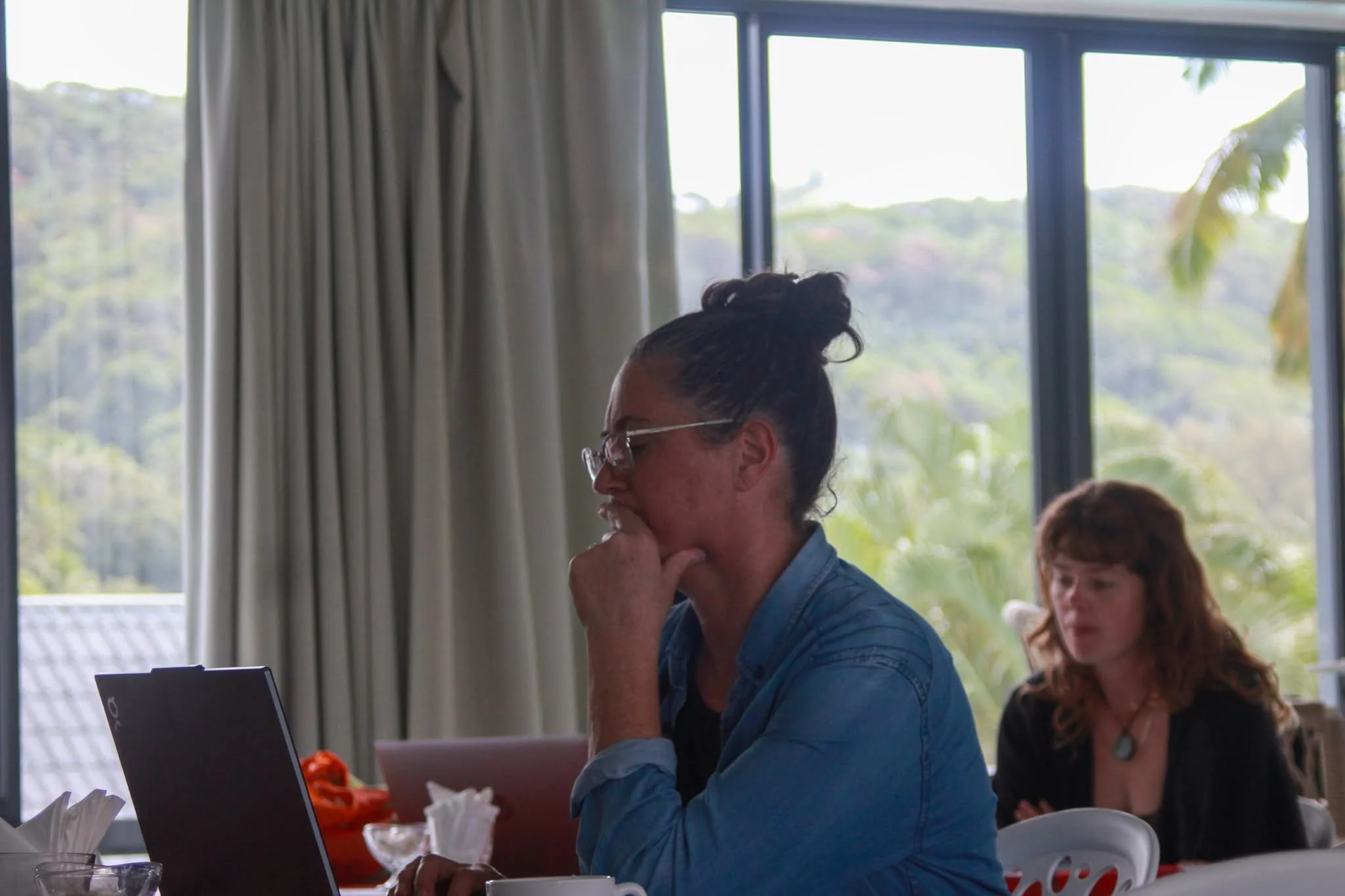
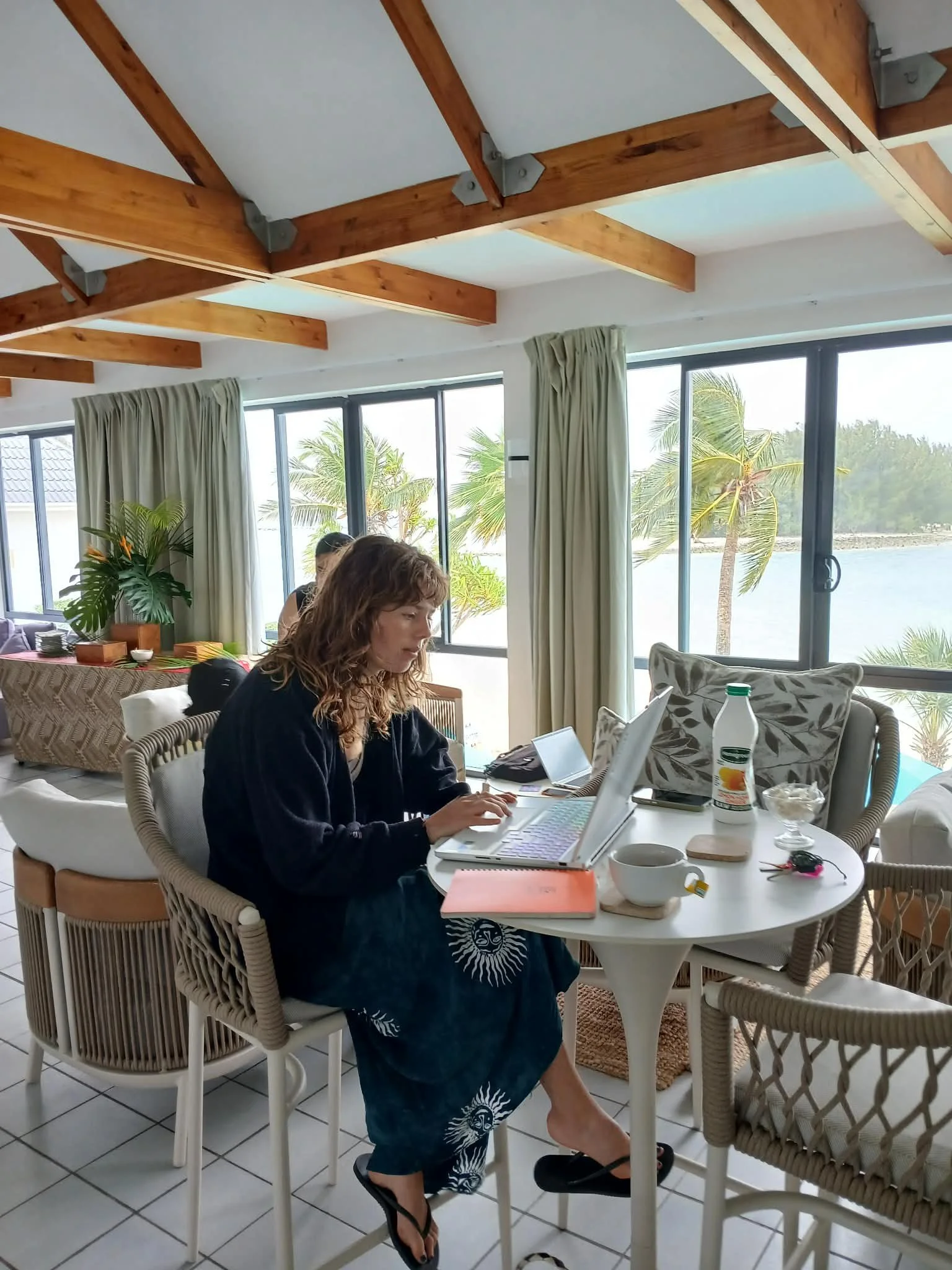
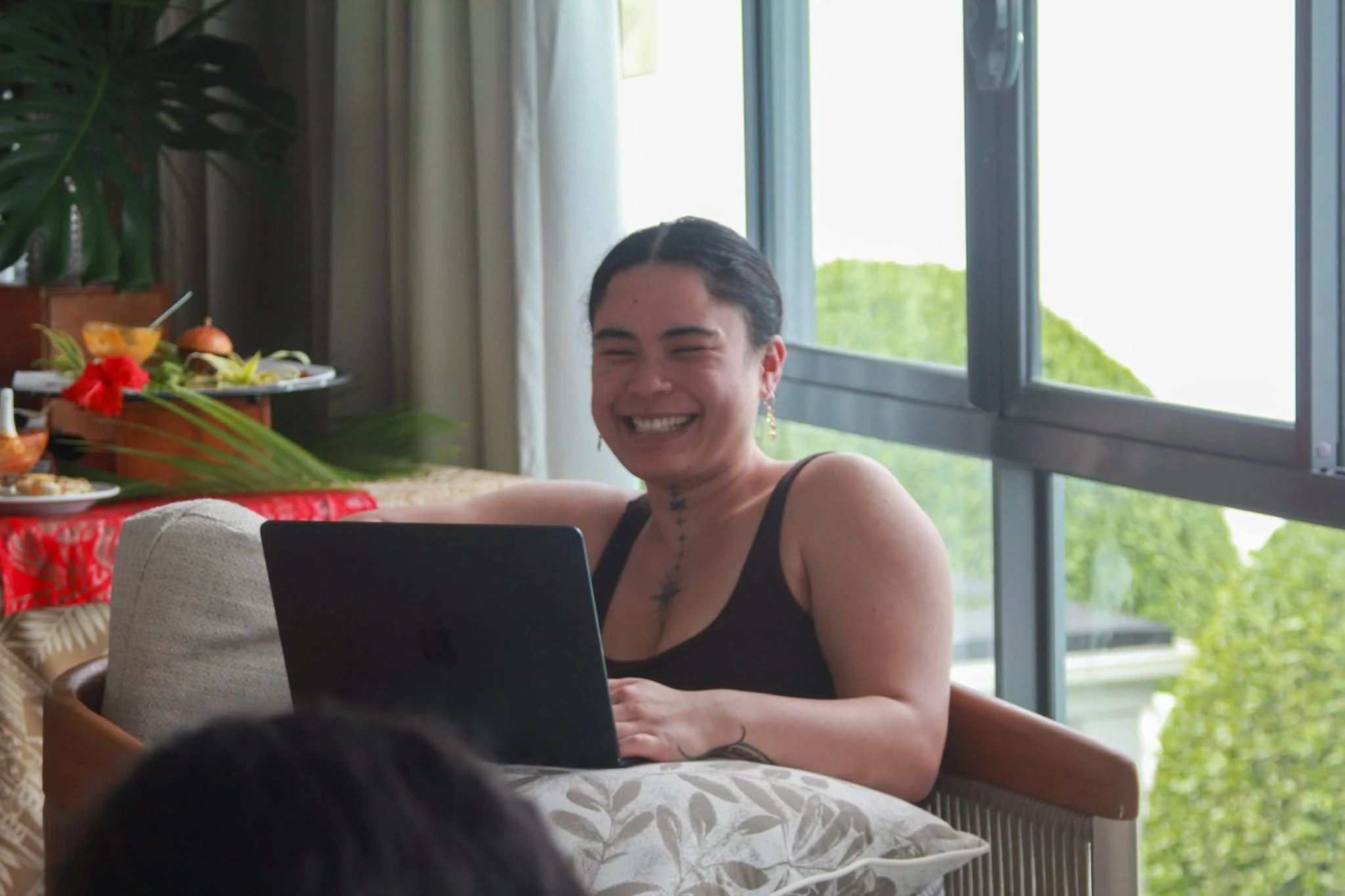
Glenda Newport and Gemma Langley (TIS) during a Pomodoro work-block.
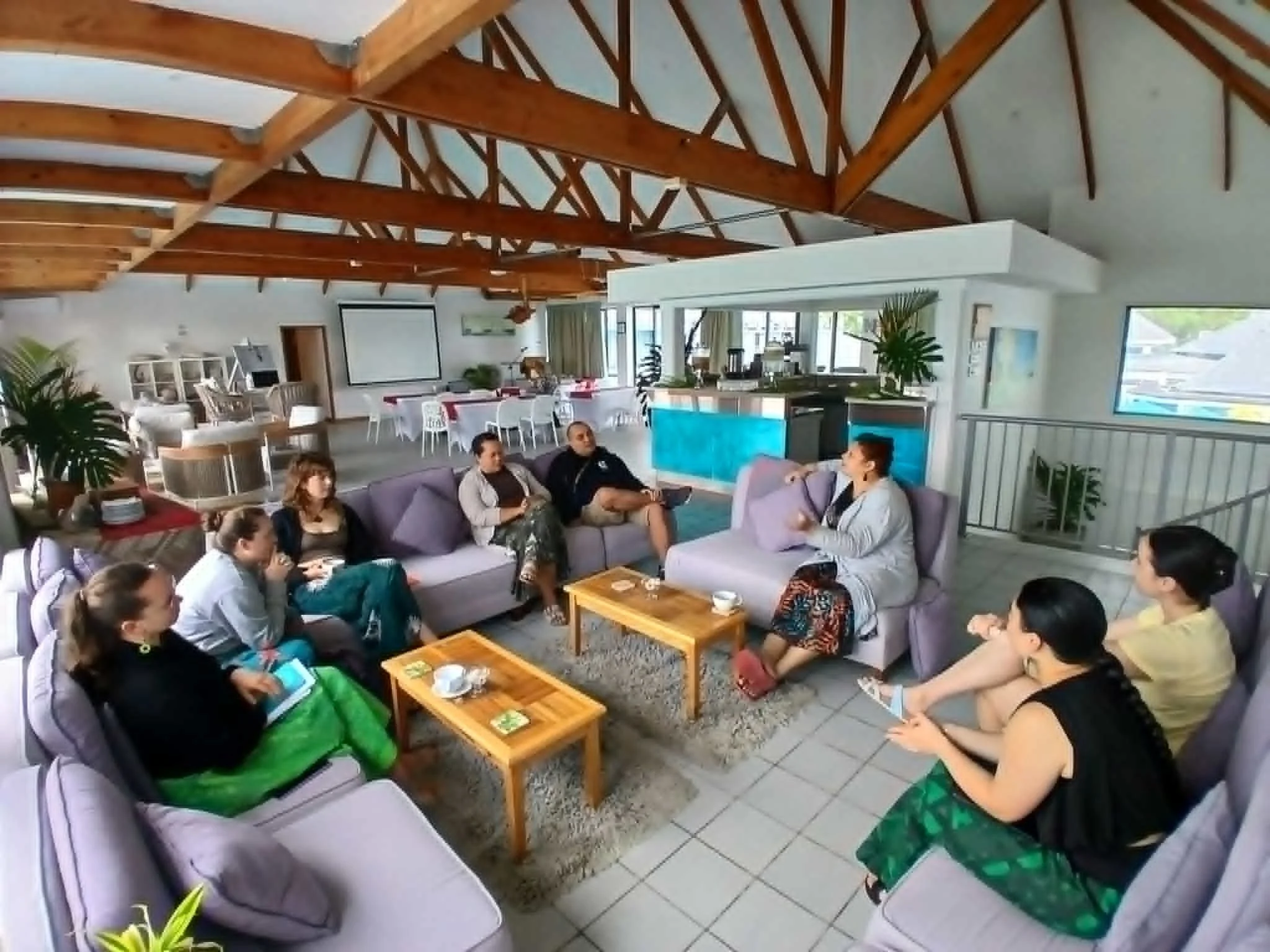
Held on the 19th&20th August, the retreat brought together 16 participants, including TPVM staff, students from the University of the South Pacific and Auckland University of Technology, and representatives from government agencies including Te Marae Ora Ministry of Health and the Policy and Planning Division within the Office of the Prime Minister. Participants also came from NGOs including Volunteer Service Abroad and Te Ipukarea Society, an environmental and conservation organisation.
The retreat was organised and facilitated by Dr Emma Powell, Fran Little and Lauren Turner, with the aim of creating an enabling environment for immersive and focused writing. By providing a dedicated venue away from participants’ usual workplaces, the retreat created space to put other demands aside and focus specifically on writing and research.
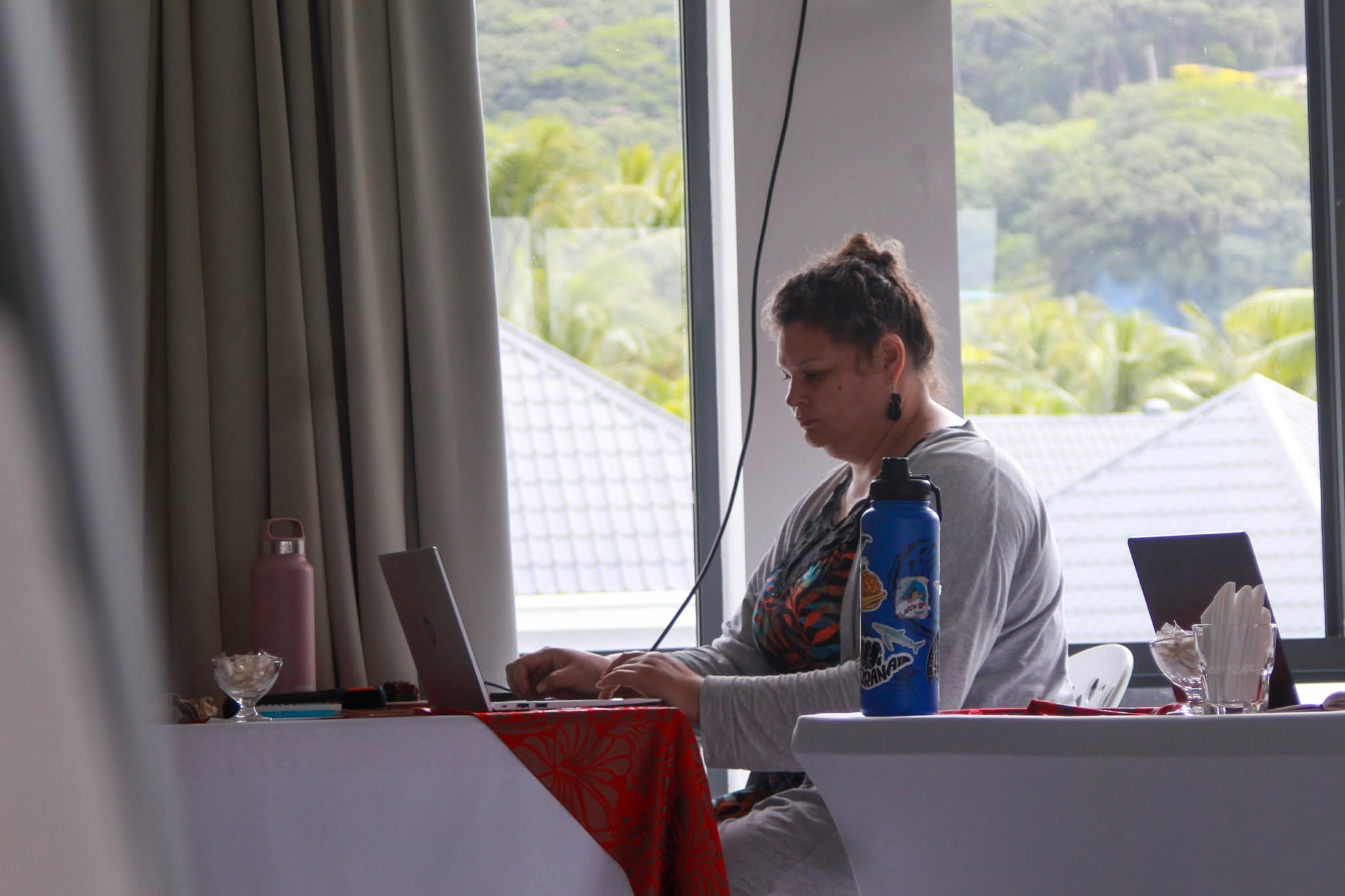
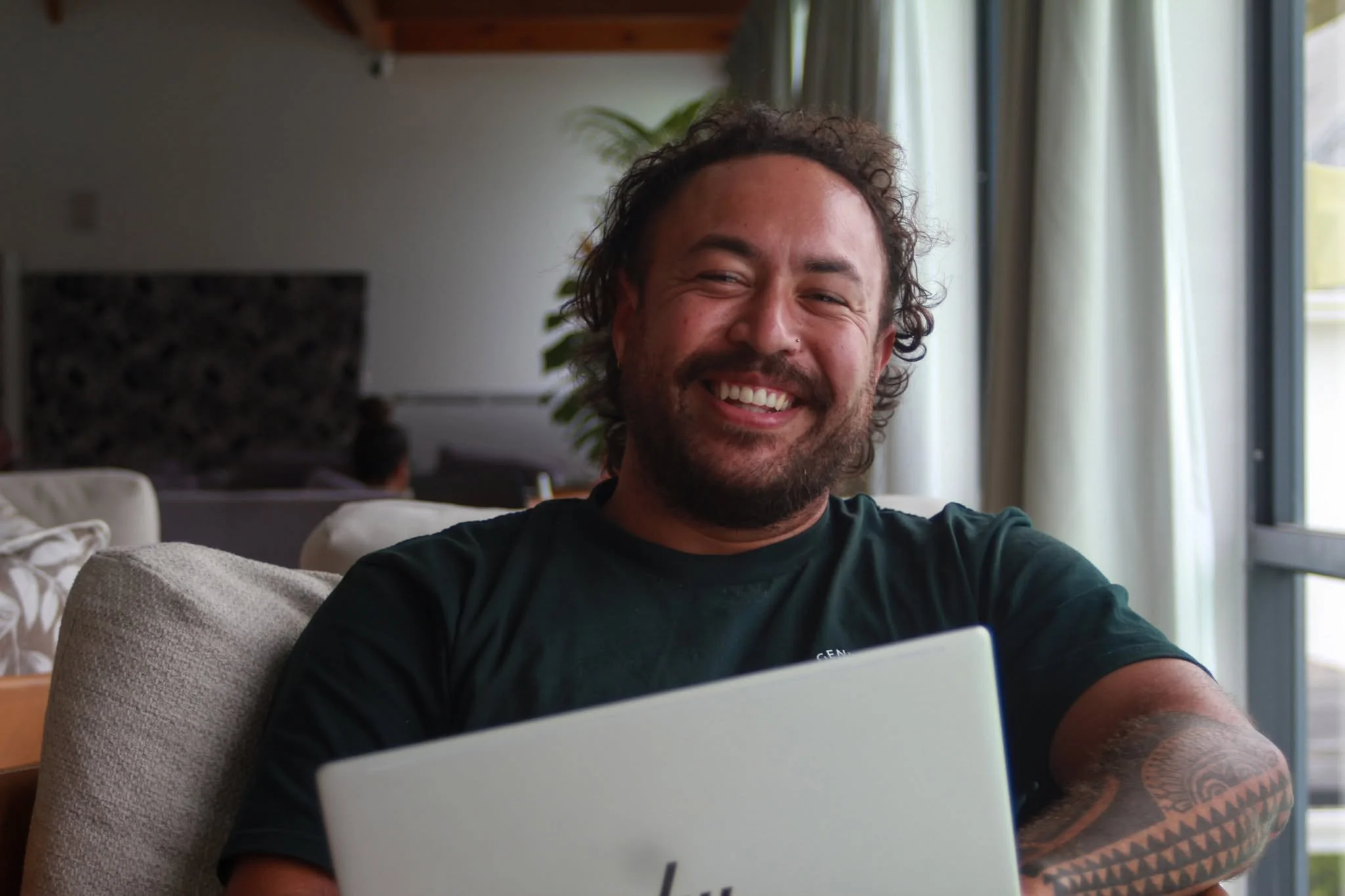
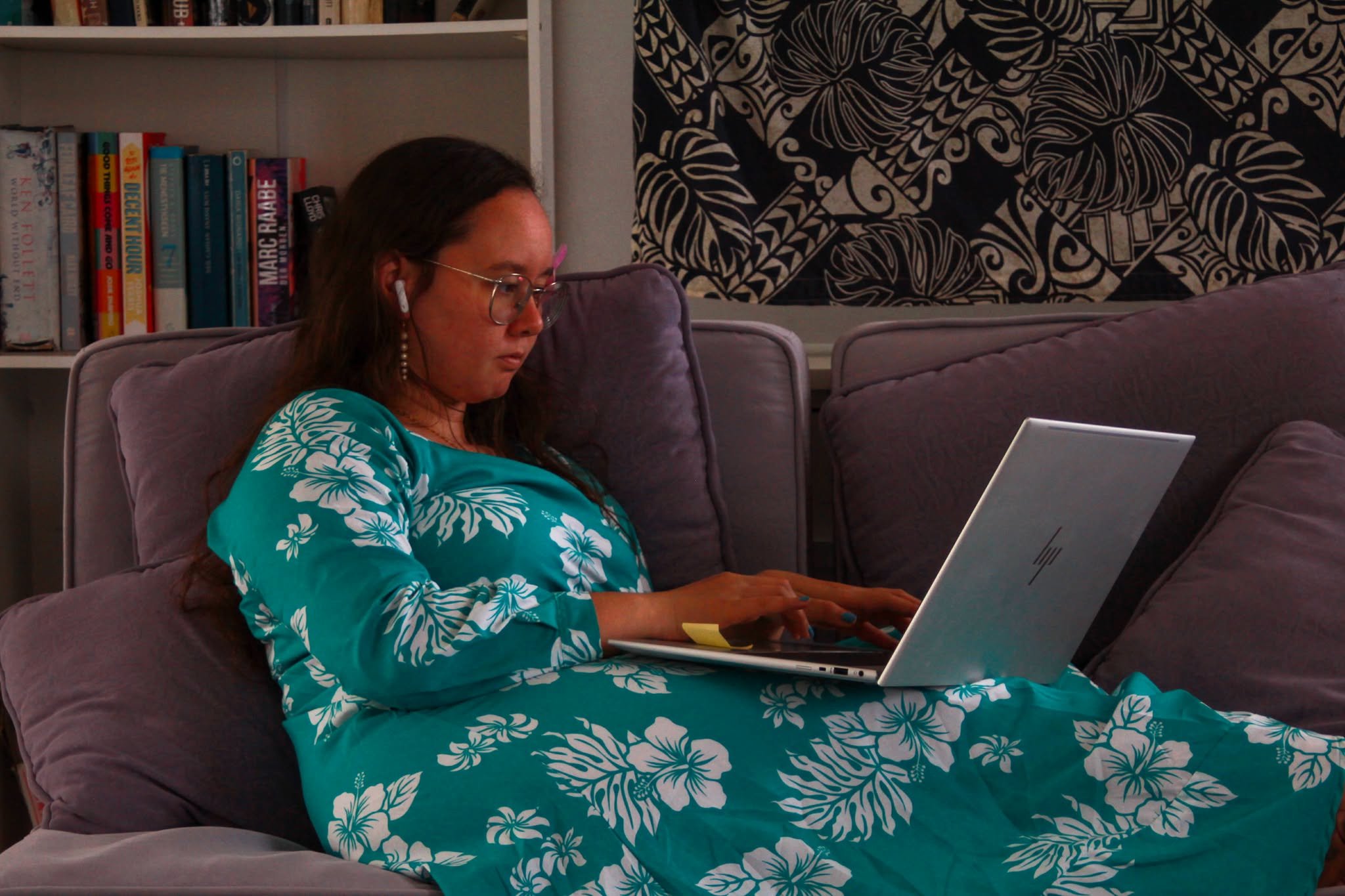
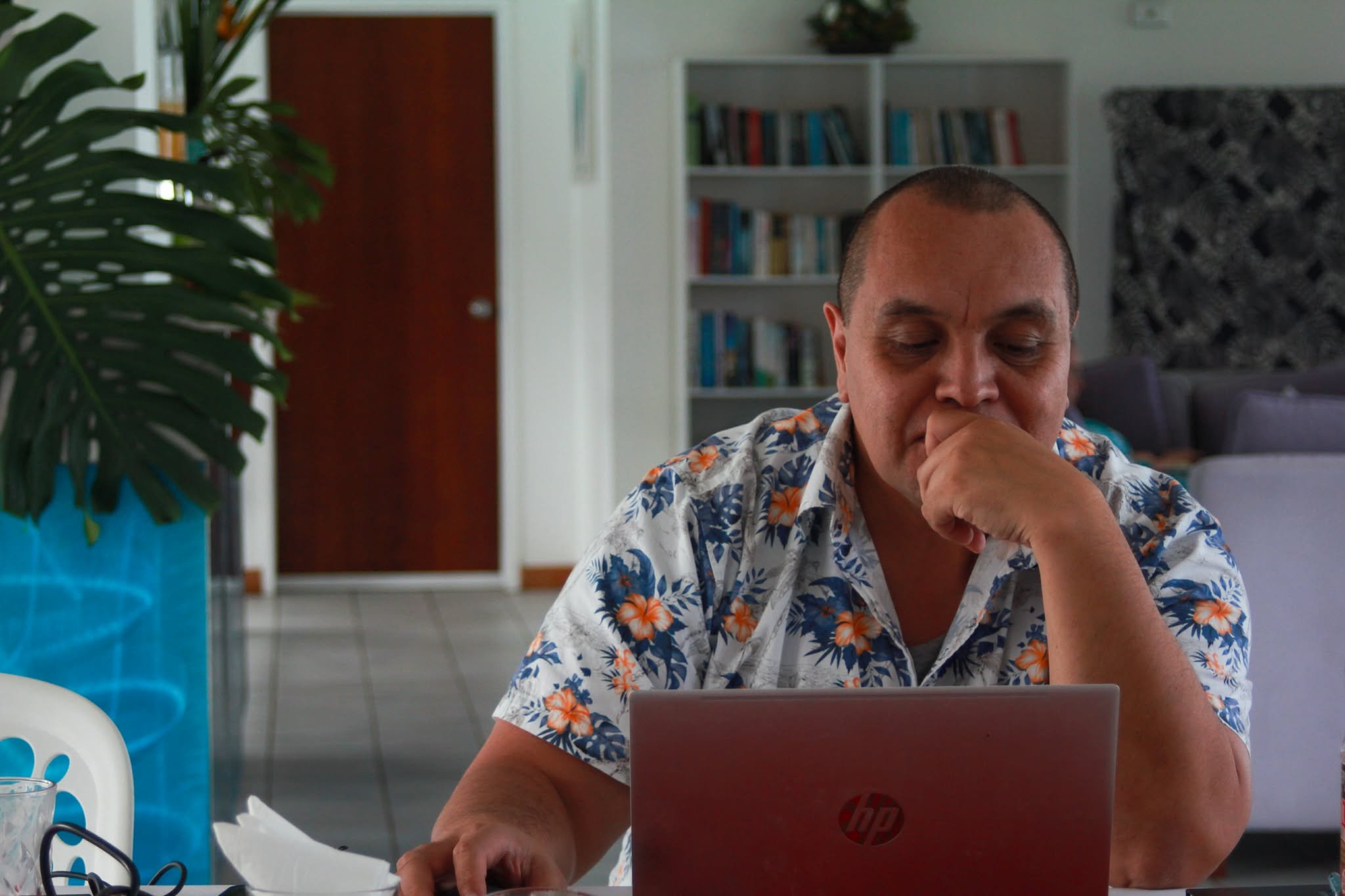
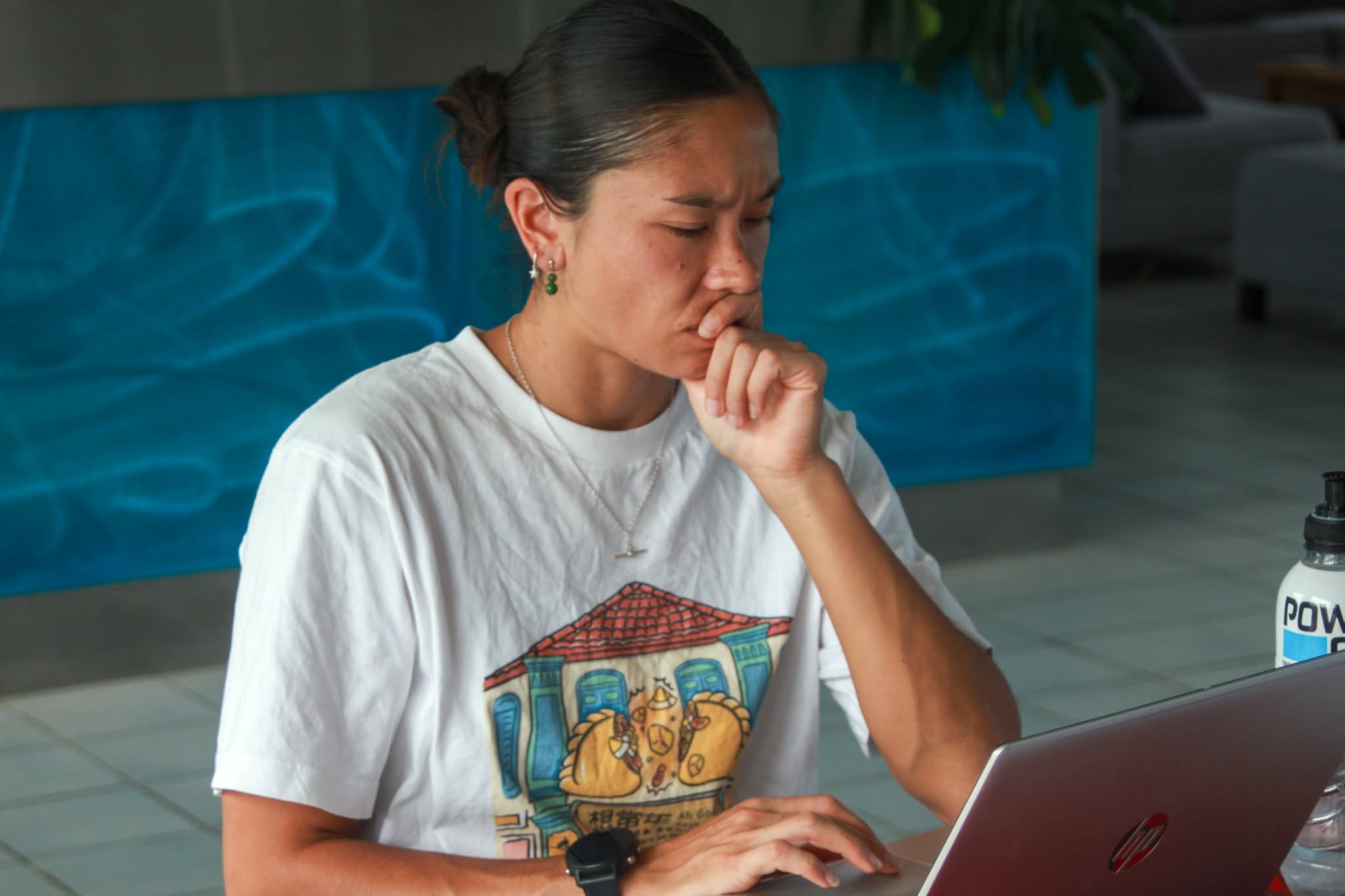
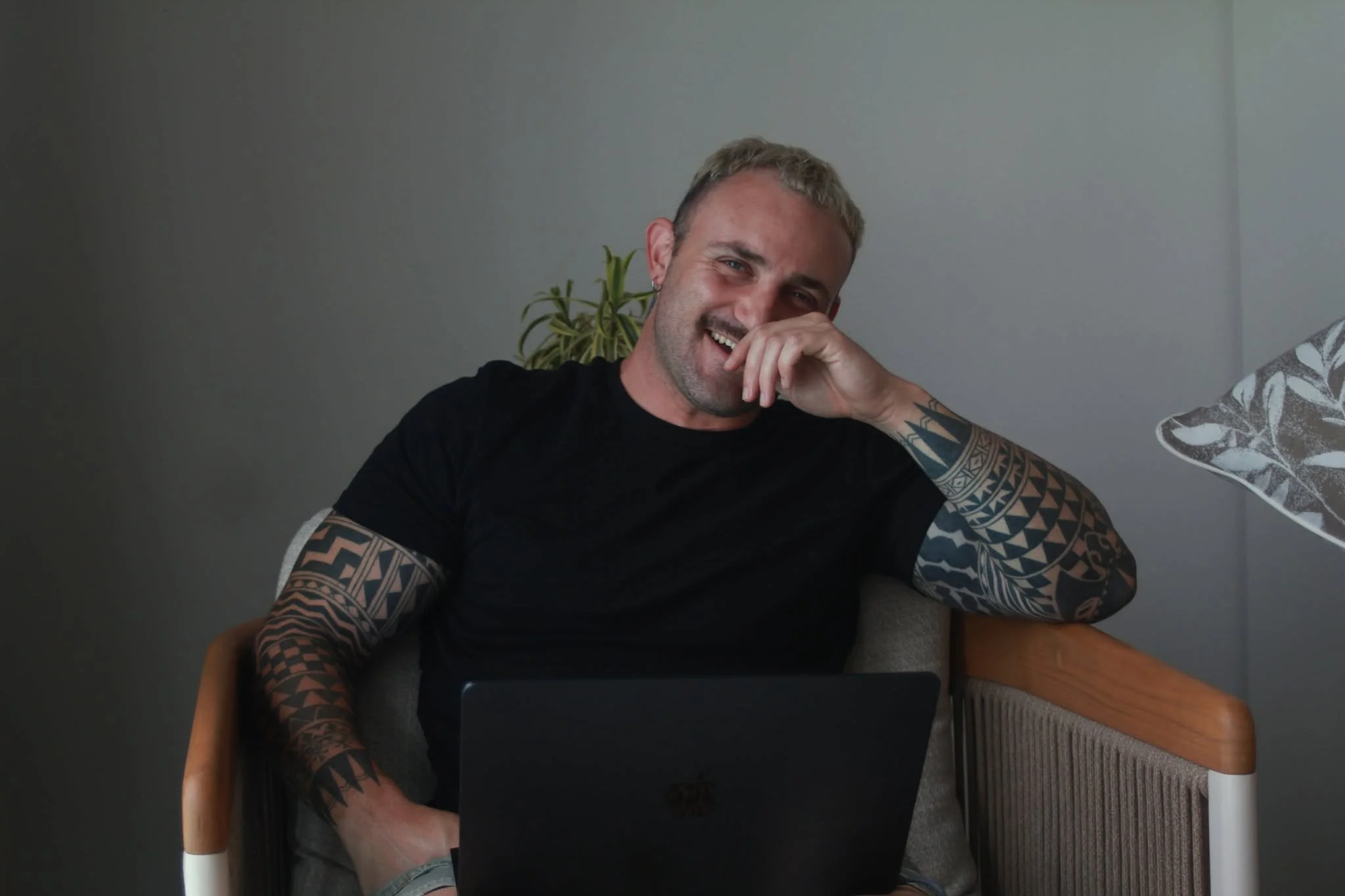
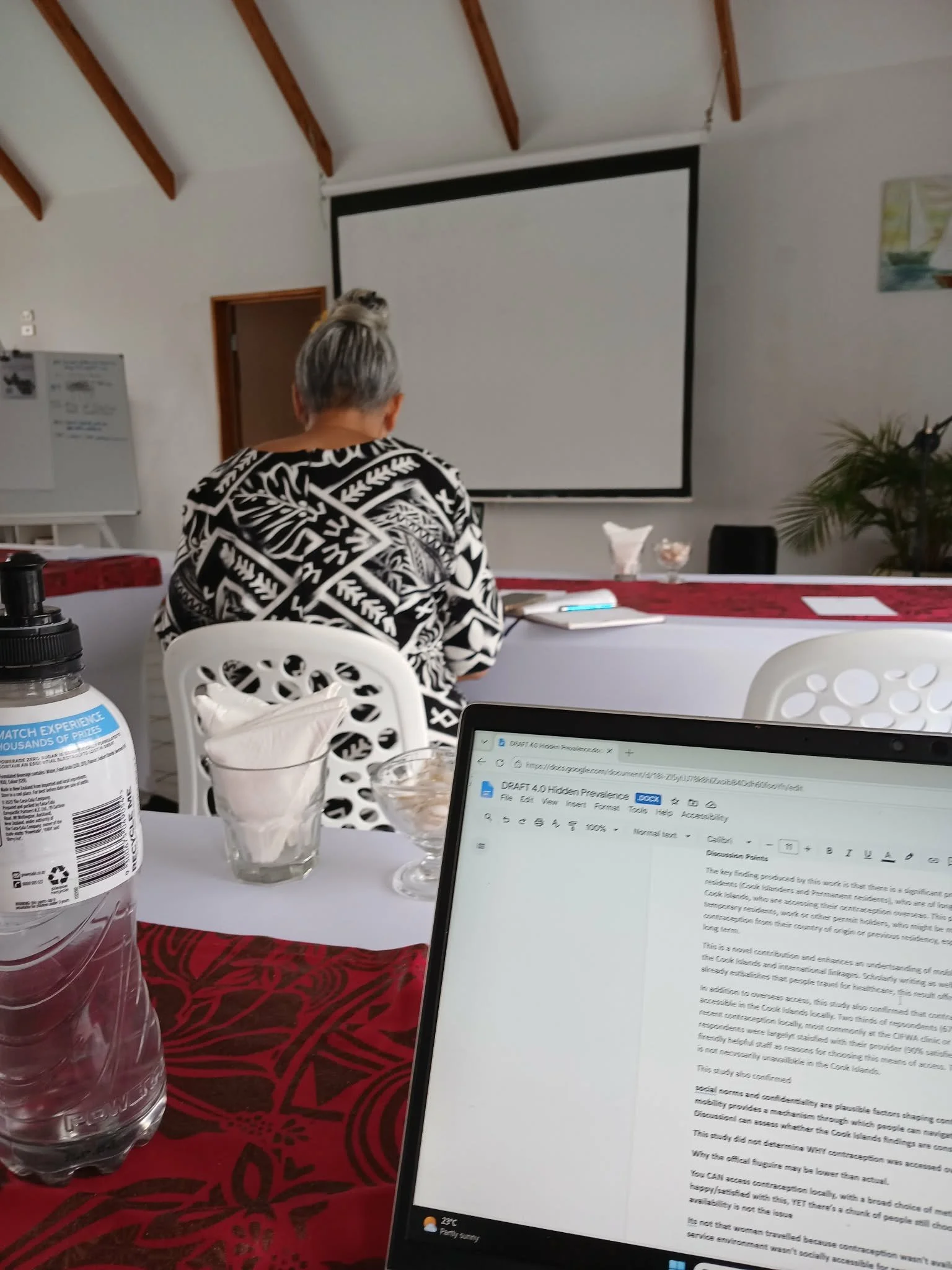
Structured writing blocks followed the Pomodoro method, with concentrated periods of work supported by regular, scheduled breaks. Rules were simple: write for 25 minutes, phones were off, emails went unchecked, and discussion during writing blocks was kept to a minimum. Breaks included games to encourage group interaction and physical activity to support active lifestyles. Each day also included a peer support session, where participants could discuss their work, ask questions and draw on the expertise within the group.
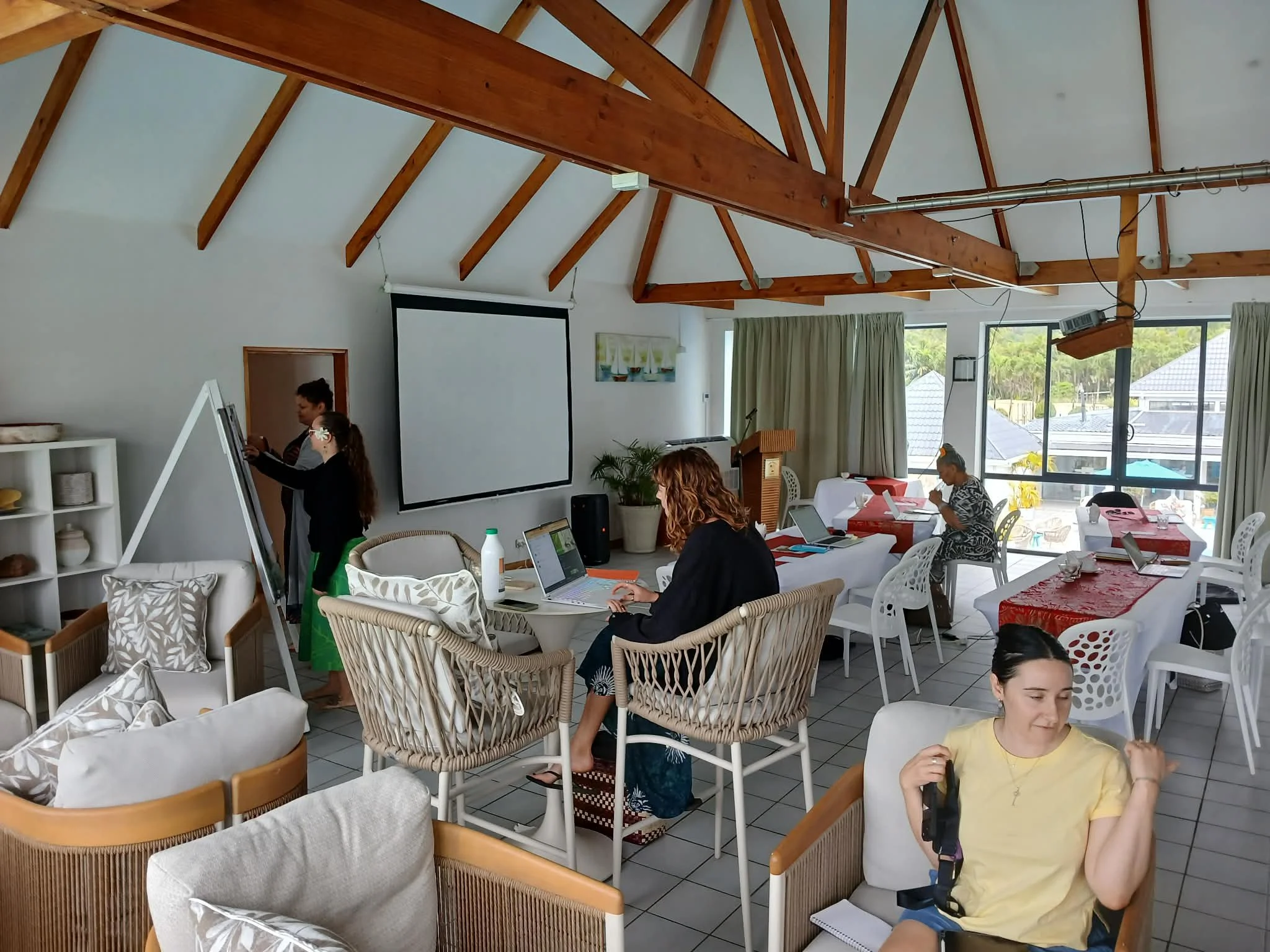
Participants came to the retreat with a wide range of writing projects, including journal article manuscripts, PhD proposals, funding applications, literature reviews, work-related projects, book chapters and creative pieces. They were encouraged to set specific writing goals to focus their efforts during the retreat. For many, the retreat provided dedicated time and space to focus on writing, which could be otherwise hard to find in their everyday professional roles and daily life.
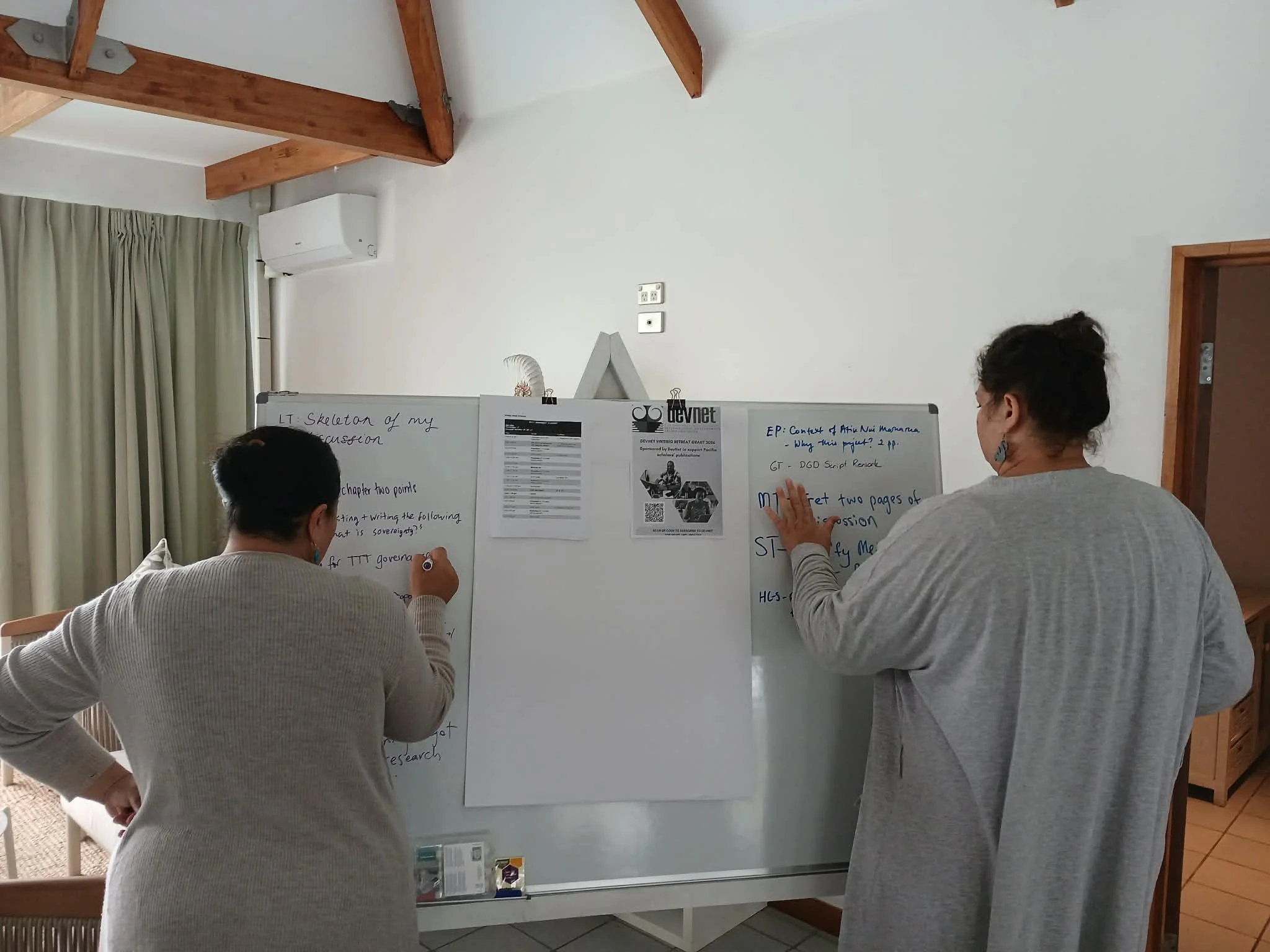
Gina Tavioni-Bamber and Merita Tuari’i deciding their specific writing goals for day 2.
Many participants found they often juggled competing priorities such as work and parenthood, leaving little time for writing. The retreat provided an opportunity for participants to prioritise themselves and their own work, temporarily leaving other demands behind and making meaningful progress on their projects.
Community and relationship building was also a central feature of the retreat: Participants spoke about the motivation that came from writing alongside others, as well as the value of discussing scholarly ideas, receiving feedback from peers and connecting with other Cook Islands researchers and writers. Many found something particularly powerful in undertaking work communally, describing the culture and space of scholarship as conducive to their work and feeling supported by others going through similar processes. For some, the retreat also created new connections; for others, it strengthened existing ones. Together, these interactions contributed to a tangible sense of community within the Cook Islands research and scholarly community.
For TPVM Centre Director Dr Emma Powell, this community-building aspect is closely connected to the Centre’s broader mission. “The retreats are important for our centre and the work that we do, our mission is about supporting Cook Islands people and all people committed to the Cook Islands to produce research, and part of that is the writing”. Here, the writing retreat supports TPVM’s mission of building local research capacity, not only by strengthening writing skills and the writing capacity of our staff, but by supporting the production of research and knowledge outputs by Cook Islanders.
Ultimately, the retreat was about creating the conditions for people to write, connect and make progress, with many finishing the retreat feeling they had done this or achieved their goals. TPVM would like to sincerely thank DevNet (Aotearoa New Zealand International Development Studies Network) for providing the funding that made this opportunity possible, and Muri Beach Club Hotel for providing a comfortable and invigorating venue.